Welcome to manteasers.com - Dont forget to bookmark us!
Why Nice Guys Finish Last
Explore why nice guys finish last, get overlooked in dating and life, learn how to build confidence, set boundaries, and stop people-pleasing for attraction.
Man Teasers
12/14/20255 min read

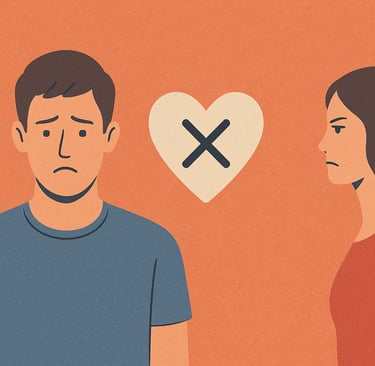
For decades, men have been told a simple story: be nice, be kind, be respectful, and everything will fall into place. Love, attraction, success, and fulfillment will come naturally if you just treat people well and never rock the boat.
Yet for many men, reality tells a very different story.
They’re polite, supportive, generous, emotionally available—and still overlooked. Still friend-zoned. Still passed over romantically. Still watching others, who seem less considerate and less emotionally invested, succeed where they don’t.
Eventually, frustration builds. Confusion sets in. Some men grow resentful. Others grow passive and withdrawn. Many silently ask the same painful question: “If being nice is so good, why does it feel like it never works?”
The truth is uncomfortable, but important: the problem isn’t kindness itself. The problem is what most people mean when they say “nice guy.” Being nice has quietly become confused with being self-sacrificing, approval-seeking, conflict-avoidant, and afraid of taking up space.
And that version of “nice” is deeply unattractive—not just in dating, but in life.
This article isn’t about becoming rude, arrogant, or manipulative. It’s about understanding why the “nice guy” pattern backfires, where it comes from, and how to replace it with something far healthier: confidence, self-respect, and grounded masculinity.
What People Really Mean When They Say “Nice Guy”
When someone says “nice guy,” they rarely mean a man who is genuinely kind, ethical, or compassionate. They mean something more specific—and far more limiting.
A “nice guy” is usually someone who:
Avoids conflict at all costs
Prioritizes others’ needs above his own
Struggles to say no
Hopes good behavior will be rewarded later
Suppresses his desires to appear agreeable
Feels uncomfortable asserting boundaries
Equates being liked with being safe
On the surface, this looks like maturity. Underneath, it’s often driven by fear—fear of rejection, fear of disapproval, fear of being seen as selfish or “bad.”
Instead of acting from choice, the nice guy acts from strategy. His kindness isn’t freely given; it’s conditional. He’s being nice in order to be accepted, desired, or chosen.
And people—especially in dating—can feel that. Attraction doesn’t grow from obligation. Desire doesn’t come from pressure. When someone senses that your behavior is rooted in neediness rather than self-assurance, it creates discomfort, not connection.
Why “Niceness” Becomes Unattractive
This is where many men get stuck. They assume attraction should be logical or moral. “I treat her well. I listen. I care. Why wouldn’t she be interested?” But attraction doesn’t work that way. Attraction is emotional. It’s visceral. It responds to energy, presence, confidence, and polarity—not negotiation or virtue points.
When niceness turns into:
Over-agreeableness
Excessive reassurance
Emotional overinvestment too early
Lack of direction or decisiveness
Fear of expressing sexual interest
…it signals something important: lack of self-trust.
A man who doesn’t trust his own wants, instincts, or boundaries doesn’t feel safe to follow. He doesn’t feel grounded. He doesn’t create tension or intrigue—only comfort. And while comfort is valuable in long-term relationships, it rarely creates initial attraction on its own.
This is why some men watch women gravitate toward men who seem rougher, bolder, or less accommodating. It’s not because those men are better people. It’s because they own themselves.
The Hidden Contract Nice Guys Make
One of the most damaging patterns nice guys fall into is something psychologists call a covert contract.
A covert contract is an unspoken deal that goes something like this:
“If I’m good enough, helpful enough, patient enough, she’ll eventually choose me.”
The problem is that the other person never agreed to this contract. They don’t know it exists. They simply experience someone who is present but unclear, supportive but non-expressive, close but not decisive.
When the hoped-for reward doesn’t arrive, resentment builds:
“After everything I’ve done…”
“She chose him instead of me?”
“Women only like jerks.”
But the resentment isn’t really about her. It’s about expectations that were never voiced.
Healthy attraction requires honesty—not just with others, but with yourself. When you hide your desire behind niceness, you rob the other person of the chance to respond authentically.
The Real Root of the “Nice Guy” Syndrome
Most men don’t become nice guys because they’re weak. They become nice guys because they were taught—explicitly or implicitly—that being assertive is dangerous.
Many grew up learning that:
Anger leads to punishment or rejection
Disagreement equals conflict
Wanting things is selfish
Being quiet keeps the peace
Approval equals safety
Over time, this conditioning creates men who are emotionally restrained, overly polite, and afraid of rocking the boat. The irony? In trying to avoid rejection, nice guys create it. Because confidence isn’t loud. It isn’t aggressive. It’s simply being okay with yourself, whether others approve or not.
Why Confidence Beats Niceness Every Time
Confidence doesn’t mean dominance. It doesn’t mean arrogance. It doesn’t mean treating people poorly.
Confidence means:
You know what you want
You express it clearly
You accept rejection without collapsing
You set boundaries without apology
You don’t abandon yourself to please others
A confident man can be kind and firm. Generous and selective. Supportive and self-directed. This balance is magnetic. People feel drawn to those who are comfortable in their own skin. Not because they’re perfect—but because they’re real.
How to Stop Being a “Nice Guy” Without Becoming a Jerk
This is where many men panic. They think the only alternative to niceness is cruelty or manipulation.
That’s false.
The opposite of “nice guy” isn’t “bad guy.”
It’s authentic, man.
Here’s how to start shifting.
Start Saying What You Actually Want
Stop hinting. Stop waiting. Stop hoping people will figure it out.
Whether it’s dating, work, or friendships, practice directness:
“I’m interested in you.”
“That doesn’t work for me.”
“I need time alone tonight.”
“I disagree.”
Clarity creates respect—even when the answer is no.
Get Comfortable With Discomfort
Discomfort is not danger. Rejection is not humiliation. Conflict is not a catastrophe.
The men who grow are the ones willing to feel uncomfortable in the service of truth.
Every time you avoid a hard conversation, you reinforce fear. Every time you face one, you build confidence.
Detach From Outcomes
Nice guys obsess over results:
“Will she like me?”
“Did I say the right thing?”
“Did I mess this up?”
Confident men focus on expression, not outcome.
You can’t control attraction. You can control honesty. Ironically, when you stop chasing validation, you become more attractive.
Build a Life That Doesn’t Revolve Around Approval
One reason niceness becomes a trap is when a man has nothing else grounding him.
Develop:
Personal goals
Physical strength
Creative outlets
Male friendships
Purpose beyond dating
A full life naturally reduces neediness.
Masculinity Isn’t the Problem—Suppression Is
Modern men are often told to “be softer” without being taught how to be strong and emotionally grounded at the same time.
Healthy masculinity includes:
Desire
Direction
Assertiveness
Emotional presence
Integrity
Suppressing these doesn’t make you evolved. It makes you disconnected.
Women don’t want a man who disappears into politeness. They want a man who can stand beside them—not behind them.
What Women Actually Respond To
Contrary to popular belief, most women don’t want “jerks.”
They want:
Honesty over performance
Presence over people-pleasing
Strength over passivity
Direction over indecision
They want to feel chosen—not negotiated with.
When a man owns his interest without attachment, it feels flattering, not pressuring. When he walks away gracefully from rejection, it signals self-respect. That’s attractive.
Becoming Kind From Strength, Not Fear
True kindness comes from abundance, not insecurity.
A man who is kind because he chooses to be—rather than because he hopes to be rewarded—is powerful.
He gives freely.
He sets boundaries.
He doesn’t beg.
He doesn’t manipulate.
He doesn’t resent.
He stands in his values and lets the rest fall where it may.
Final Thoughts: You Don’t Need to Be Nicer—You Need to Be Braver
If you’ve ever felt invisible despite doing “everything right,” this isn’t a failure of character. It’s a misunderstanding of attraction, confidence, and self-respect.
You don’t need to stop being kind.
You need to stop hiding behind kindness.
Be honest.
Be direct.
Be grounded.
Be willing to lose what isn’t aligned.
Because the men who stop trying to be liked—and start trying to be real—are the ones who finally stop finishing last. And in doing so, they don’t just attract better relationships. They build better lives.
© 2025. All rights reserved.
2608 Westgrove Dr #236, Carrollton, Texas 75006.
Email - info@manteasers.com